

In a world that increasingly prioritizes environmental responsibility, the construction industry is transforming. Developers, architects, and business owners are asking a critical question: Are fabric structures a more sustainable building solution than traditional construction?At GGS Greenhouse Structures, the answer is a resounding yes. From reduced resource use and lower carbon emissions to energy efficiency and long-lasting performance, fabric structures are redefining what it means to build sustainably.
Let’s explore why these innovative structures are gaining traction across industries and why they’re poised to play a central role in the future of sustainable building.
What Are Fabric Structures?
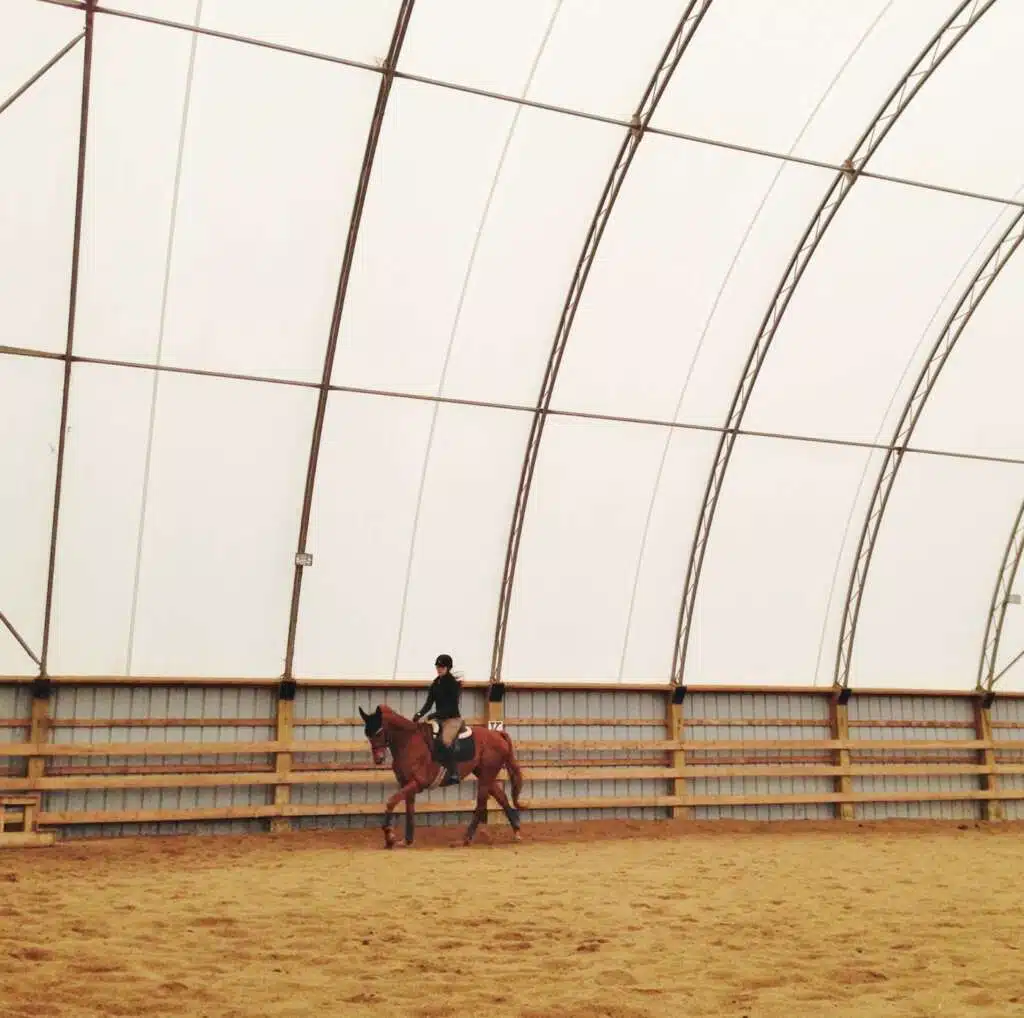
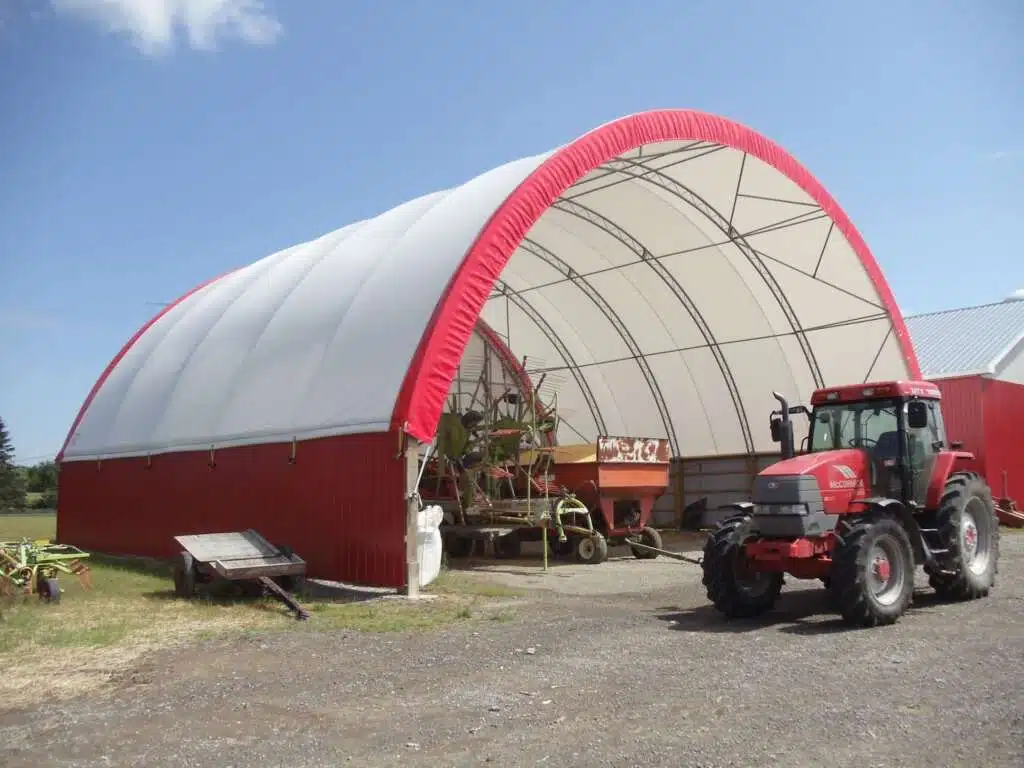
Fabric structuresare engineered buildings that use high-performance membranes (often tensile fabrics) stretched over steel frames or support systems. This method results in a lightweight, durable, and flexible building solution used for greenhouses, equestrian arenas, industrial shelters, agricultural storage, and more. Unlike traditional buildings made from brick, steel, or concrete, fabric structures are designed for versatility and efficiency without compromising strength.
Why Sustainability Matters in Construction
The built environment accounts for a significant portion of global energy use and greenhouse gas emissions. Sustainable construction practices aim to reduce environmental impact throughout a structure’s life cycle. From material sourcing and manufacturing to operation and end-of-life disposal. To qualify as sustainable, a building solution should:
- Minimize energy consumption
- Use fewer resources
- Reduce carbon emissions
- Promote recyclability
- Support long life spans
- Create healthier indoor environments
Fabric structures check all of these boxes and more.
Top Sustainability Benefits of Fabric Structures
1. Lower Material Use and Resource Efficiency
Traditional construction typically relies on resource-intensive materials such as concrete, steel, and lumber, all of which have high embodied carbon, meaning substantial emissions are generated during production and transportation. Fabric structures, in contrast, utilize lightweight membranes that require significantly fewer raw materials, lowering both costs and environmental impact.
Reduced material use also means less waste on site, less energy spent during construction, and fewer environmental disruptions during installation.
2. Exceptional Energy Efficiency
One of the most compelling sustainability advantages of fabric buildings is their natural light-harvesting capability. Many fabric membranes are translucent, allowing daylight to flood the interior, drastically reducing or eliminating the need for artificial lighting during daytime hours. This built-in daylighting can cut energy consumption significantly and improve occupant comfort.
Modern fabrics offer high insulation performance, helping maintain interior temperatures and reducing the need for heating or cooling systems, a major energy drain in traditional buildings.
3. Reduced Carbon Footprint
From production to installation and operation, fabric structures generate fewer carbon emissions compared to traditional buildings. Lightweight materials require less energy to manufacture and transport, while faster construction schedules mean fewer heavy machines and fuel usage on site.
Because they can be prefabricated off-site, fabric structures not only reduce waste but also allow clean, controlled manufacturing environments, further limiting waste and environmental impact.
4. Longevity and Durability
High-performance architectural fabrics are engineered to withstand harsh weather conditions, including wind, UV exposure, heavy snow, and extreme temperatures. This durabilitytranslates into:
- Fewer repairs
- Less frequent replacement
- Lower long-term resource use
Reduced lifecycle impact

5. Recyclability and End-of-Life Sustainability
Many modern fabric membranes are repurposable. Instead of ending up in a landfill, the fabric structures can be reused for a different purpose, a critical factor in circular economy design.
This level of material circularity is rare in conventional construction materials like concrete, which typically cannot be reused effectively.
6. Minimal Site Disturbance
Installation of fabric structures often requires minimal site excavation and disturbance, especially when paired with foundation systems like helical anchors. These anchors minimize land impact and enable structures to be taken down and relocated with minimal environmental disruption.
This approach preserves soil integrity and local ecosystems, an often-overlooked aspect of sustainable building.
Real-World Applications of Sustainable Fabric Buildings
Fabric structures are used in a wide range of sectors where sustainability and performance go hand-in-hand:
- Agriculture & Livestock Housing
- Warehouses & Material Storage
- Mining & Industrial Sites
- Medical Structures
- Greenhouses and Controlled-Environment Agriculture
Each of these applications benefits from the lightweight, energy-efficient, and adaptable nature of fabric structures while simultaneously reducing environmental impact.
Fabric Structures vs. Traditional Buildings: A Quick Comparison
| Feature | Fabric Structures | Traditional Buildings |
|---|---|---|
| Material Use | Low | High |
| Embodied Carbon | Lower | Higher |
| Construction Time | Fast | Slow |
| Energy Consumption | Lower ( natural light + insulation) | Higher |
| Waste Generation | Minimal | Significant |
| End-of-Life Reusability | Often Possible | Limited |
This comparison highlights why fabric structures are increasingly recognized as a more sustainable alternative
Common FAQs
Q: Do fabric structures help reduce energy costs?
A:Yes. Translucent fabric membranes allow natural light to enter, cutting daytime lighting needs, while insulation properties help regulate interior temperature, decreasing reliance on HVAC systems.
Q: How do fabric structures reduce environmental impact during installation?
A:They often require minimal site excavation, fewer heavy machines, and prefabricated components, leading to lower emissions, reduced waste, and less disturbance to the landscape.
Q: Are they suitable for extreme climates?
A:Yes. With proper design and insulation, fabric structures can effectively handle hot and cold conditions, maintaining comfort and efficiency while reducing energy use.
Conclusion: A Sustainable Path Forward
As businesses and communities seek smarter, greener alternatives to conventional buildings, fabric structures stand out as a forward-thinking, sustainable solution. They deliver significant advantages in material efficiency, energy performance, carbon footprint reduction, and lifecycle durability, all while offering functional flexibility across industries.
At GGS Greenhouse Structures, we’re proud to offer fabric-covered buildings that not only perform but also support sustainable goals. Whether you’re investing in agricultural space, industrial storage, or commercial facilities, fabric structures present a solution that respects both your bottom line and the planet.
Ready to explore a sustainable building solution?
Contact GGS todayand see how fabric structures can transform your project, sustainably.