

Constructing a greenhouse can be an exciting project for gardeners, farmers, and hobbyists alike. A well-built greenhouse extends your growing season, protects plants from extreme weather, and increases yields. But without proper planning and execution, greenhouse construction can lead to wasted time, higher costs, poor plant health, and structural issues.
At GGS Greenhouse, we’ve seen it all, and we’re here to help you avoid the most frequent mistakes we encounter and build a greenhouse that thrives for years.
1. Poor Site Selection
Why It’s a Problem
Choosing the wrong location for your greenhouse can cause a host of issues not enough sunlight, poor drainage, exposure to damaging winds, and difficulty accessing utilities.
How to Avoid It
- Maximize Sun Exposure:Position your greenhouse so it gets at least 6–8 hours of direct sunlight daily. In most climates, a north–south orientation offers the most even light distribution. If you’re in a climate or zone that doesn’t get a ton of sun, think about getting LED lightsto maximize your plant’s growth.
- Check for Shade:Avoid placing your greenhouse near large trees or buildings that cast shade during growing hours. If this is not an option, you can get shade structures.
- Consider Water Flow:Ensure the area drains well. Avoid low spots where water pools after rain.
- Access & Utilities: Make sure it’s easy to access electricity and water.
2. Improper Ventilation and Airflow
Why It’s a Problem
Plants need fresh air for photosynthesis and to regulate temperature and humidity. Poor ventilation can cause heat buildup, especially in summer, and promote mold and disease.
How to Avoid It
- Install roof ventsas well as side vents to facilitate natural airflow.
- Consider exhaust fans or automatic vent openers for climates with temperature swings.
- Usecirculation fansinside the greenhouse to prevent hot and cold pockets.
Important:Ventilation isn’t optional; it’s essential for plant health and temperature control.
3. Ignoring Insulation and Heat Retention
Why It’s a Problem
Especially in colder climates, failing to insulate properly can turn your greenhouse into a heat trap in winter, driving up heating costs or stressing plants.
How to Avoid It
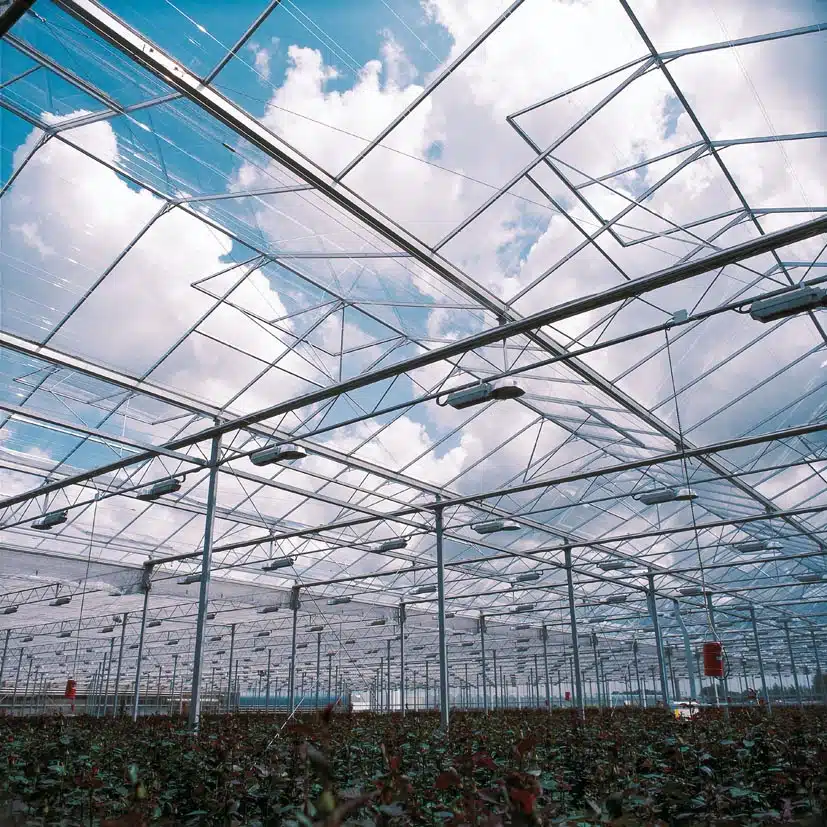
- Use polycarbonate panelsor double-wall poly film for better insulation.
- Seal gaps around doors and windows.
- Add thermal screens for night-time heat retention.
Bonus:Thermal mass elements like water barrels help even out temperature fluctuations.
4. Overcomplicating the Design
Why It’s a Problem
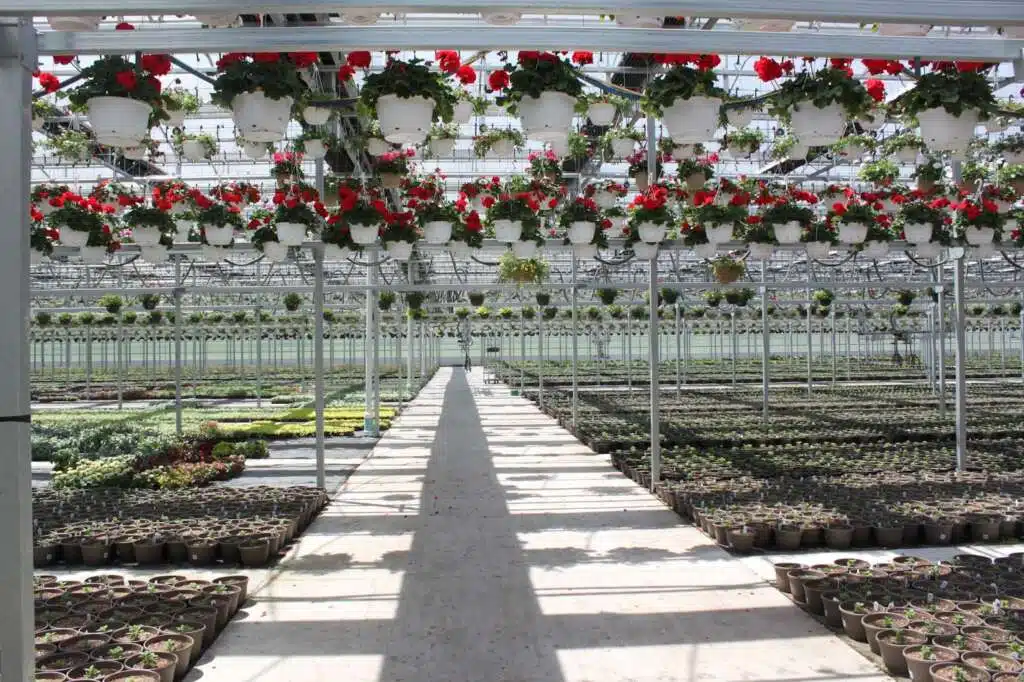
While it’s tempting to add every feature right away, from automated irrigation to complex benching, too much complexity too soon can slow progress and increase costs.
How to Avoid It
- Start with essential elements first: structure, framing, glazing, and ventilation.
- Phase in upgrades later as your needs grow and as you understand how your greenhouse performs.
- Keep the designfunctional and efficient.
Remember:Practicality beats perfection when you’re starting out.
5. Not Planning for Water Management
Why It’s a Problem
Water either being too scarce or too abundant, can significantly impact plant health. Poor water planning also affects soil, foundation, and overall greenhouse hygiene.
How to Avoid It
- Install dripirrigation systems to deliver consistent hydration.
- Add gutters and collection barrels to capture rainwater.
- Ensure proper drainage in and around the greenhouse.
Good water management not only protects plants, it also saves you money.
6. Forgetting Easy Access and Workflow Design
Why It’s a Problem
A greenhouse that’s hard to navigate can make planting, harvesting, maintenance, and cleanup frustrating and inefficient.
How to Avoid It
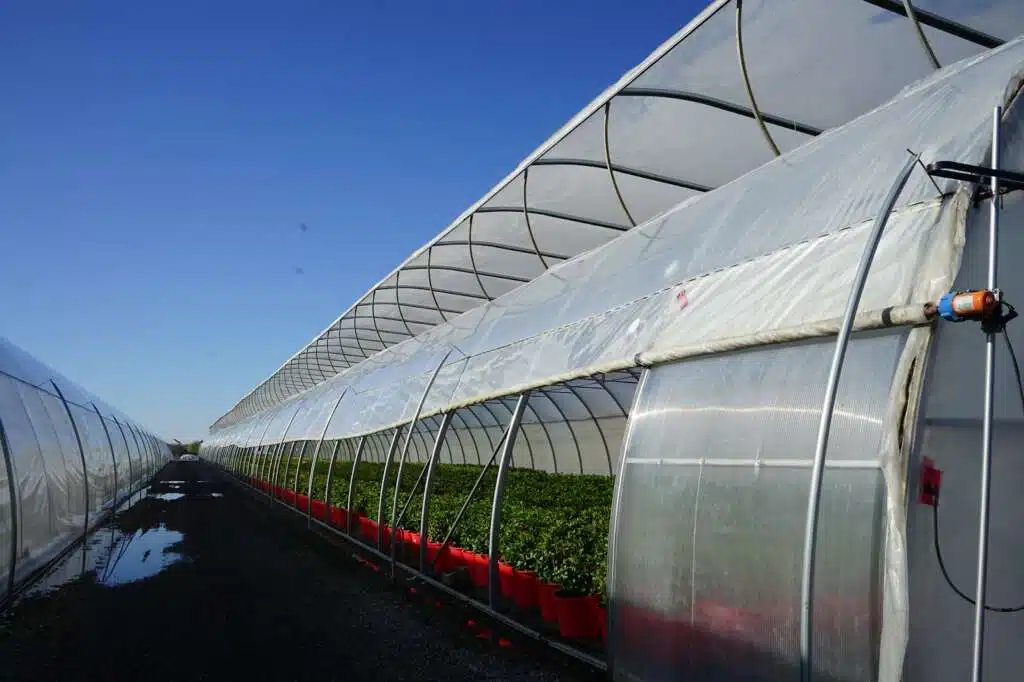
- Plan for wide aisles that allow you to move freely.
- Arrange benches and shelves in a way that maximizes space and workflow.
- Ensure doors open fully without obstruction.
Design for people, not just plants.
Common Q&A on Greenhouse Construction
Q: How much does it cost to build a greenhouse?
A:Costs vary widely depending on size, materials, and features. A simple DIY greenhouse can cost a few hundred dollars, whereas a commercial-grade structure can be several thousand. Material choice (glass vs. polycarbonate) and foundation type are major cost factors.
Q: What’s the best greenhouse material?
A:Polycarbonate panels are often recommended for their durability, insulation, and cost-effectiveness. Glass has excellent light transmission but can be expensive and fragile. Poly film is affordable but may need more frequent replacement.
Read our blog Poly vs. Glass Greenhousesto learn more about what material is right for your business.
Q: Do greenhouses need electricity?
A:While not always required, electricity is highly recommended for operating fans, heaters, lighting, and automatic systems to maintain ideal growing conditions year-round.
Q: How important is ventilation?
A:Extremely important. Without proper ventilation, temperatures can soar, humidity levels can spike, and plants can suffer from stress, disease, or even death.
Q: What’s the ideal temperature in a greenhouse?
A:This varies by plant type. Most vegetables thrive between 65–75°F (18–24°C)during the day and slightly cooler at night. Heatersand ventilation help maintain these ranges.
Final Thoughts
Building a greenhouse is a rewarding investment in your gardening future, but only if you get it right from the start. By choosing the right location, foundation, materials, and systems, you’ll create a thriving environment for your plants and avoid the most common construction pitfalls.
At GGS Greenhouse, we’re passionate about helping growers succeed. Whether you’re planning your first build or refining an existing greenhouse, avoiding these mistakes will lead to healthier plants, lower maintenance costs, and a more productive growing space.
Avoid costly mistakes and build smarter from the start. Contact GGS Greenhousetoday to plan a greenhouse that’s built to last.