

In times of crisis, whether due to natural disasters, pandemics, or unexpected surges in patient demand, healthcare systems are often stretched to the breaking point.
Traditional brick-and-mortar hospitals and clinics have limited flexibility, and building new facilities can take months or years. This is where temporary or emergency medical facilities come into play, and why dome structures have emerged as one of the smartest, fastest, and most adaptable answers.
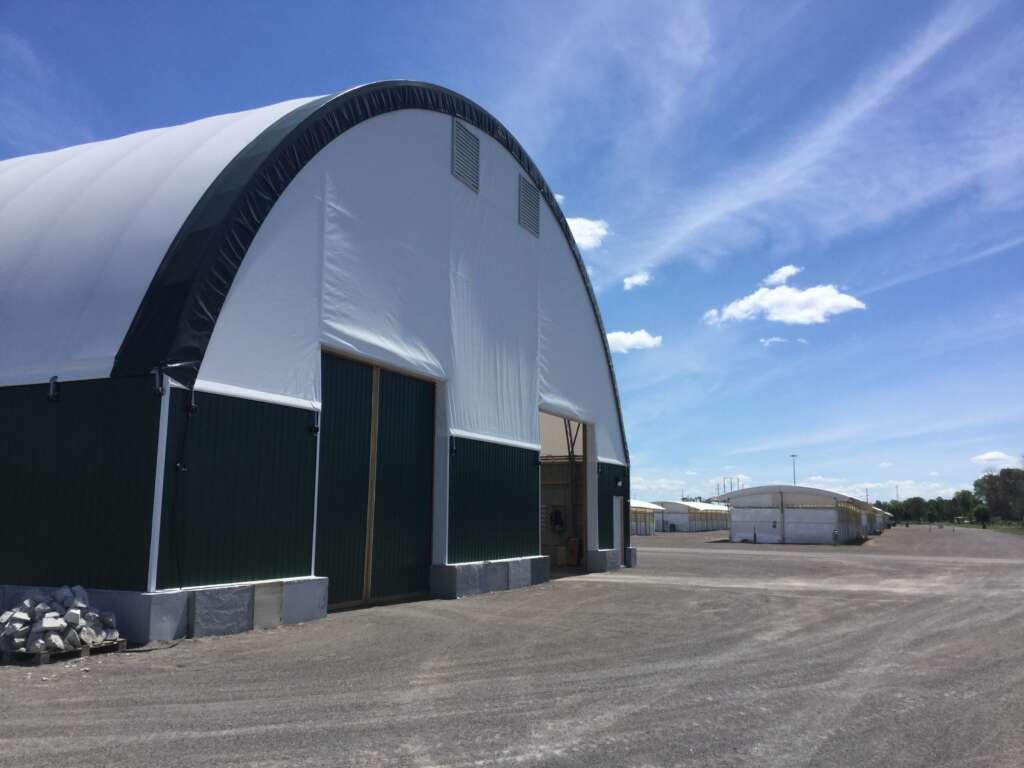
High-quality dome solutions are not just for agriculture; they’re also ideal for emergency healthcare infrastructure. In this article, we’ll explore how dome structures excel in providing rapid medical facilities, discuss their benefits, and answer common questions associated with their deployment.
What Are Temporary Medical Facilities?
Temporary medical facilities are short-term healthcare environments established to support existing medical infrastructure. They are deployed in emergencies like:
- Pandemic outbreaks (e.g., COVID-19)
- Hurricane or earthquake damage
- Large public events requiring medical standby
- Overflow from hospitals during crises
These facilities typically include treatment bays, triage areas, isolation wards, vaccination stations, and more. Their main goals are to expand capacity swiftly and ensure ongoing care when permanent structures cannot.
Why Dome Structures Are Ideal for Emergency Healthcare
When evaluating options for temporary medical facilities, speed, durability, flexibility, and safety are paramount. Dome structures, especially those designed by GGS, excel in all these areas.
1. Rapid Deployment
Unlike conventional medical tents or modular units that require extensive assembly, dome structures can be set up quickly, often in a matter of days.
Whether for triage areas, preliminary treatment stations, or full-service medical wards, domes can be installed without heavy machinery or extended construction delays.
2. Superior Structural Strength
Dome designs are inherently strong. Their curved geometry evenly distributes stress, making them resistant to extreme weather, heavy snow, and high winds. This makes them a safe option for emergency sites where conditions can be unpredictable.
3. Flexible Interior Layouts
Emergency medical situations often require changes to layouts, isolation zones, airflow management, secure entrances, and clear separation of clean vs. contaminated areas. Dome interiors are open and can be easily reconfigured using partitions.
4. Cost-Effective Alternative
Compared to traditional construction or even some modular medical buildings, dome structures offer significant savings in both time and money. Their efficient design reduces material waste and maintenance costs.
5. Superior Environmental Performance
Domes have high thermal efficiency and natural ventilation capabilities, reducing the need for intensive HVAC systems. This can help stabilize indoor conditions in extreme temperatures, critical for patient comfort and equipment operation.
Real-World Use Cases for Dome Medical Facilities
Here are some examples of how dome structures serve in emergency medical deployments:
Pandemic Response
During infectious disease outbreaks, healthcare systems need overflow ward capacity, testing centers, and vaccination hubs. Dome structures provide quickly erected, climate-controlled spaces that support infection control protocols.
Field Hospitals in Disasters
In events like earthquakes or hurricanes, traditional hospitals may be damaged or inaccessible. Dome structures can be flown in, assembled onsite, and used as triage units or full treatment centers.
Rural Healthcare Support
Areas far from permanent medical infrastructure often lack 24/7 access to care. Dome solutions provide humanitarian organizations with the ability to set up clinics efficiently in underserved regions.
Event Medical Staging
Large festivals, sporting events, or conventions often require dedicated medical facilities. Dome structures deliver professional medical spaces that blend performance with portability.
Key Features to Look For in Dome Medical Structures
If your organization is considering dome systems for emergency medical use, here are important features to evaluate:
- Size options that accommodate different operational scales
- High-grade materials for roofing, flooring, and structural supports
- Customization for medical utilities (power, plumbing, HVAC)
- Cleanable interior surfaces suitable for healthcare environments
- Modular entryways for patient flow and triage stations
At GGS, we specialize in customizable dome solutions that align with these criteria, offering a holistic blend of strength, versatility, and performance.
Common Questions About Temporary & Emergency Medical Facilities
Q: What is a temporary medical facility?
A temporary medical facility is a short-term healthcare environment established to expand capacity when traditional medical infrastructure is overwhelmed. It supports emergency response efforts, disaster relief, and public health needs.
Q: What are emergency medical facilities used for?
Emergency medical facilities are used for treating patients, conducting triage, administering vaccines, and providing urgent care during disasters, pandemics, or other healthcare surges.
Q: Are dome structures safe for medical use?
Yes. Dome buildings are structurally strong, weather-resistant, and capable of supporting HVAC, medical equipment, and secure patient zones when properly configured.
Q: Can dome facilities support HVAC and other utilities?
Absolutely. Dome systems can accommodate HVAC, electrical, plumbing, and medical gas lines, enabling them to operate like traditional medical buildings when required.
Q: How do dome facilities help with infection control?
Dome interiors are easy to partition and adapt for clean vs. contaminated zones. Combined with proper ventilation, they help create safer environments for staff and patients during outbreaks.
Why GGS Dome Solutions Are the Right Choice
At GGS Greenhouse, our dome structures aren’t just for growing; they’re engineered for real-world performance. Whether your organization is preparing for an emergency, expanding healthcare capacity, or planning mobile medical operations, we provide:
- Customized dome sizes
- High-strength materials
- Rapid delivery and setup solutions
- Professional support from design through deployment
With decades of experience in engineered structures, GGS can help healthcare providers, governments, and NGOs implement emergency facilities that meet both functional and safety requirements.
Want to learn more about how fabric-covered structures can be a reliable option? Read our blog on how GGS Fabric Structures Revolutionize Every Industry.
Final Thoughts
Temporary and emergency medical facilities are no longer a last-resort option; they’re a strategic necessity in a world where unexpected events can strain healthcare systems overnight. Dome structures offer a modern, adaptable, and highly effective solution for meeting these challenges head-on.
If you’re evaluating options for your next emergency response plan, consider the advantages of dome structures: speed, strength, flexibility, and long-term value.
👉 Contact GGS today to learn how our dome systems can support your mission.