If you are considering a fabric-covered structure in an area that sees heavy winter weather, one question matters before nearly everything else:
How much snow can the building actually handle?
There is no single snow-load rating that applies to every fabric building.
The amount a structure must be designed to support depends on where it will be built, its dimensions and roof geometry, how it will be used, surrounding site conditions, and applicable building-code requirements. That is why commercial buyers should be cautious about comparing fabric buildings based only on size, price, or a generic snow-load number.
A properly engineered fabric structure should be designed around the conditions at the actual project site.
What Does Snow Load Mean for a Fabric Building?
Snow load refers to the force accumulated snow can place on a building.
It is usually expressed as weight per unit of roof area, but determining the required design load involves more than looking at how many inches of snow normally fall in a region.
Engineers may need to account for factors such as ground snow loads, roof shape, exposure, drifting, uneven snow accumulation, building use, and other site-specific conditions. Structural standards such as ASCE 7 in the United States contain separate provisions for ground snow, sloped and curved roofs, drifting, partial loading, and other snow conditions.
For the owner of a feedlot, equipment-storage building, riding arena, municipal facility, or bulk-material storage structure, the important takeaway is simple: snow-load engineering is about designing the complete structure for realistic loads, not choosing a fabric cover based on snowfall alone.
How Much Snow Can a Fabric Structure Support?
The more useful question is:
What snow load does my site require, and has this building been engineered to meet it?
Fabric structures can be designed for demanding northern climates and significant snow loads, but the building needs to be engineered for the conditions at the project site. GGS fabric-covered structures, for example, use engineered trussed arches, and designs are independently verified based on project requirements. GGS notes that its structures are designed around local snow, wind, and seismic conditions rather than one universal environmental rating.
That distinction matters.
A building intended for southern Ontario, Michigan, Alberta, Minnesota, or another snow-prone region may require a substantially different structural design than a similar-sized building in a mild climate.
Buying a building simply because another structure of the same width has worked elsewhere does not mean the two projects have the same engineering requirements.
What Determines a Fabric Building’s Snow-Load Requirements?
Several variables influence the final structural design.
1. Project Location
Location is one of the first pieces of information an engineer needs.
Snow conditions can vary significantly from one region to another, and even sites within the same broader area can have different requirements because of elevation, exposure, local regulations, or other environmental factors.
Building codes and the authority having jurisdiction ultimately determine which design criteria apply to the project.
2. Building Width and Span
A 40-foot-wide equipment shelter and a 100-foot-wide clear-span storage building do not behave identically under load.
As span, length, height, and interior clearance requirements change, the structural system may also need to change.
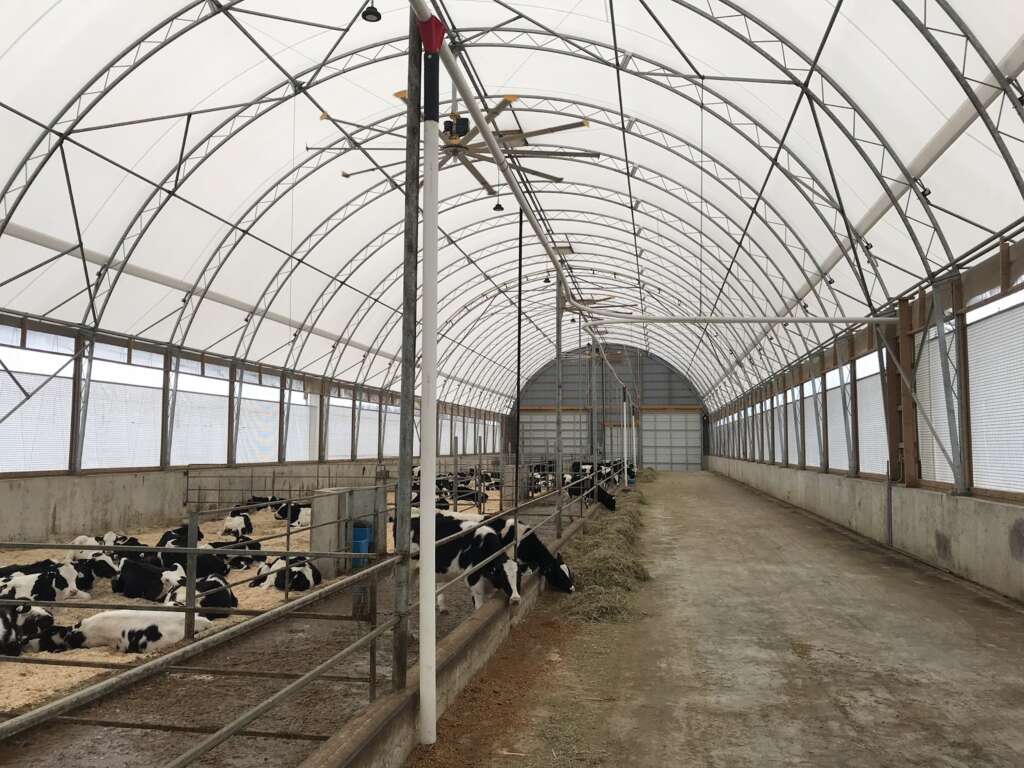
This is particularly important for operations that need large unobstructed interiors for loaders, livestock equipment, stored commodities, riding areas, or other commercial uses. The steel truss system behind a fabric dome is what makes these large clear-span spaces possible while distributing environmental loads through the structure.
3. Roof Shape
Roof geometry affects how snow accumulates and moves across a structure.
Curved and sloped fabric structures can encourage snow to shed instead of remaining on the roof, but buyers should not assume that roof shape eliminates the need to engineer for snow. Structural standards specifically account for snow loading on sloped and curved roofs.
This is one advantage of GGS Structures’ dome design. GGS domes are engineered with a curved profile that helps snow slide off the structure rather than accumulate on the roof. This design can help reduce snow buildup, making it an important consideration for facilities in regions with heavy winter weather. Combined with an engineered structural system designed around project-specific snow loads, the dome shape offers an advantage for businesses planning for long, snowy winters.
The building still needs to be designed for the applicable loads and potential loading patterns.
4. Drifting and Surrounding Conditions
Snow does not always distribute evenly.
Wind can create drifts, particularly where there are changes in roof height, nearby structures, projections, or site conditions that influence airflow.
Current structural standards account for snow drifting and uneven loading because concentrated snow can create very different forces than an evenly distributed layer.
That makes site planning important, especially when adding a fabric building beside existing facilities.
5. Foundation and Mounting System
The roof and trusses are only part of the structural system.
Loads need to transfer safely through the frame into the foundation or mounting system and ultimately into the ground. Choosing the right foundation for a fabric-covered building is therefore part of the structural design rather than an unrelated decision to make later in the project.
A Common Mistake: Comparing Buildings by a Single Snow-Load Number
A specification such as “designed for 40 psf” may sound straightforward, but that number alone does not tell you enough to determine whether the building is appropriate for your site.
Buyers should understand what the stated number represents, what building configuration it applies to, what code or standard was used, and whether the design addresses the specific project location.
Another common misconception is that fabric buildings are temporary structures that are inherently less capable of handling winter weather.
Engineered tension fabric buildings are permanent structural systems used for agricultural storage, livestock housing, equipment protection, commercial storage, recreation, riding arenas, and other demanding applications. GGS fabric structures combine a fabric membrane with engineered steel trussed arches and structural bracing to create large clear-span interiors while meeting project-specific structural requirements.
What Should You Ask Before Buying a Fabric Structure?
Before comparing quotes, give potential manufacturers or contractors enough information to evaluate the actual project.
Useful questions include:
- What snow and wind loads are required at my building location?
- Is the structure engineered specifically for those conditions?
- Which building code and structural standards are being used?
- How does the building width and height affect the structural design?
- Has drifting or uneven snow accumulation been considered?
- What foundation or mounting system does the engineered design require?
- Will door openings or other building features affect the structure?
- Is the design independently reviewed or stamped where required?
- Can the structure accommodate future expansion or changing operational needs?
These questions make it easier to compare proposals based on structural suitability rather than initial price alone.
Engineer the Building for the Site, Not the Average Winter
A fabric structure should not be selected according to how much snow fell last year—or even what an area experiences during a typical winter.
It should be engineered around the loads required for the project location and the way the building will actually be constructed and used.
That approach matters whether you are protecting livestock and feed, covering equipment, adding bulk storage, creating a clear-span riding arena, or expanding a commercial facility.
Choose a Fabric Structure Engineered for Winter Conditions
When planning a fabric structure in a snow-prone region, it’s important to look beyond the initial cost and consider how the building is designed to handle local weather conditions.
GGS Structures combines project-specific structural engineering with a curved dome design that helps snow slide off the roof rather than accumulate. Together, these features make GGS domes a practical option for businesses looking for a year-round structure built with demanding winter conditions in mind.
Whether you’re protecting livestock and feed, covering equipment, adding bulk storage, or expanding a commercial facility, choosing a structure designed around your location and operational needs is essential.
Planning a fabric structure in a snow-prone region? Contact GGS Structures to discuss your project, site conditions, building dimensions, and structural requirements.