

A greenhouse asks a lot of an owner in terms of time, money, and labor. Yet plenty of these projects end up delivering less than promised.
A lot of it comes down to misreading the challenge. Greenhouses rest on a delicate balance of light, temperature, humidity, and airflow. Poor ventilation, inadequate insulation, poor drainage, low-quality materials, and challenging site conditions create problems that become expensive to fix later.
Fortunately, you don’t have to learn these lessons yourself. Nearly every one of these greenhouse construction mistakes has already been made, many times over, by builders who wish someone had warned them first. The tips below walk through the most common errors, along with simple steps to avoid them.
7 Common Greenhouse Construction Mistakes to Avoid
The following greenhouse construction mistakes appear across projects of every size. Let’s go through each one, with practical fixes you can put to work while you’re still planning.
Choosing the Wrong Greenhouse Location
Many builders put their greenhouse wherever there’s open space, without thinking about how the sun moves through their property. It’s a costly gamble.
A greenhouse needs several hours of direct sunlight a day to keep plants healthy. A north-south orientation usually spreads this light more evenly across the structure.
Watch for shade from trees or nearby buildings during peak growing hours. Check drainage patterns, wind exposure, and access to water and electricity. Poor site selection may limit performance for the life of the structure.
Overlooking Greenhouse Ventilation
Ventilation is essential for airflow and temperature control, yet it’s one of the most overlooked parts of greenhouse construction. Without it, interior temperatures can climb well past 100°F (38°C) on a sunny day, cooking your plants even when it’s cool outside.
You’ve got two options here, and many greenhouses use both:
- Natural Ventilation: Using roof and side vents to create cross-airflow.
- Mechanical Ventilation: Using exhaust fans and circulation systems.
Poor ventilation traps heat and humidity while inviting disease and stunting plant growth. Getting airflow right protects both your crops and your investment.
Using Inadequate Greenhouse Insulation
Insulation shields plants from cold nights and eases the strain on your heating system. Inadequate insulation, by contrast, pushes energy consumption steadily upward. In colder regions especially (and Canadian winters certainly qualify), good insulation pays for itself over time.
The right choice depends on your local climate and greenhouse design. Twin-wall polycarbonate, thermal curtains, and interior insulation each serve a distinct purpose.
Failing to Plan Proper Water Drainage
Standing water damages foundations and creates constant humidity headaches. Too much water hurts plant health and structural stability alike.
Grade the site to make sure the water flows away from the greenhouse. Add drainage channels or gravel beds where you need them, and steer clear of low spots where rainwater tends to pool. Good drainage protects the structure and the growing environment year after year.
Selecting the Wrong Materials
Your material choices decide how long a greenhouse lasts. Evaluate structural strength, glazing quality, and suitability for local weather, including snow loads common across Ontario.
The cheapest materials rarely deliver the best value. Products made for greenhouse applications resist moisture, sunlight, and temperature stress far better. Balancing upfront costs against long-term performance is one of the best ways to protect your investment.
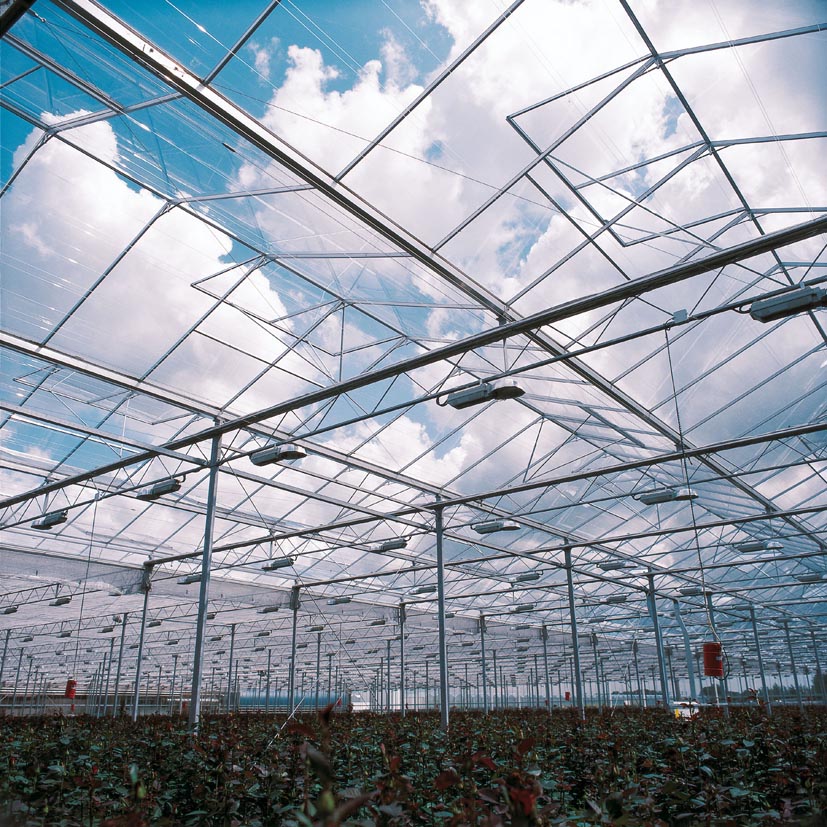
Ignoring Future Expansion and Accessibility
Plenty of growers design only for today. Then, down the line, they run out of room for equipment, storage, and moving crops around. Retrofitting a crowded layout costs much more than planning ahead ever would.
Leave space for workers, maintenance, and harvesting. Think about how your production might grow over the next few years. A layout with room to expand saves you money and frustration.
Focusing Only on Initial Construction Costs
The lowest bid usually hides higher operating costs. Cheap glazing, thin framing, and basic systems tend to mean more repairs and bigger energy bills.
Instead, evaluate total project value. Consider energy efficiency, maintenance demands, repair costs, and overall longevity. A greenhouse that costs more to build but runs efficiently for decades is almost always the better investment.
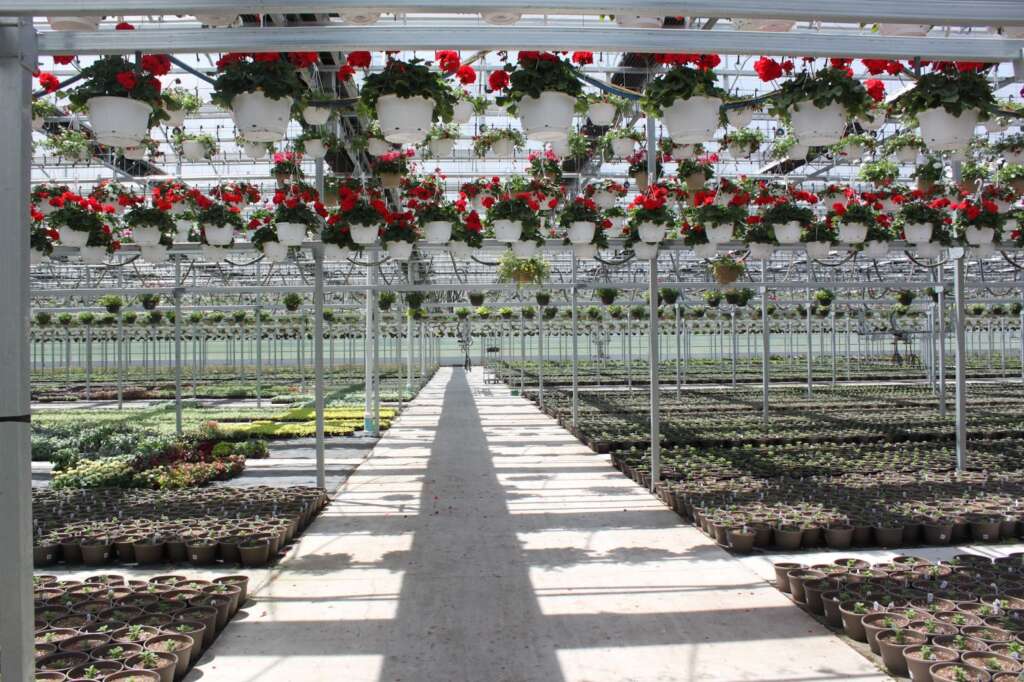
How Greenhouse Construction Design Affects Performance
Good greenhouse design is the foundation of a productive greenhouse. Every performance factor traces back to decisions made during the design phase.
Plan for Your Crops and Growing Goals
Match your greenhouse size and layout to what you intend to grow. Different crops have different light, space, and climate requirements. Think about your growing systems, expected production volume, and daily workflow, then plan space for equipment and future operational needs, so the structure supports your goals from day one.
Consider Climate and Environmental Conditions
Your local environment should shape your design. Account for temperature, humidity, sunlight, wind, and precipitation, then adapt your structure and materials to those regional conditions.
It’s also worth deciding early whether you’re after seasonal use or year-round production, since each one calls for different climate control.
Balance Efficiency With Practicality
Good design combines structure, ventilation, insulation, lighting, and climate control into one working system. Each piece should support the others rather than compete with them.
Create an efficient working space for staff and equipment. Avoid overly complex features that add maintenance without clear benefit. Practical design keeps operations reliable and easy to manage.
Greenhouse Construction Tips for a More Efficient Structure
Following these greenhouse construction tips can make your structure far more efficient and save you plenty of trouble later.
Prioritize Ventilation and Climate Control
Position your vents strategically to encourage natural airflow. Place them to move hot air out and draw cool air in. Combine natural airflow with mechanical systems when conditions call for it, and add climate control systems suited to your specific crops and regional requirements.
Invest in Appropriate Insulation
Select insulation materials suited to your climate and design. A few options worth considering include:
- Twin-wall or triple-wall polycarbonate
- Double-layer poly film with an air gap
- Thermal or energy curtains
- Perimeter and foundation insulation
- Bubble insulation
Just be sure to balance insulation with ventilation needs. Sealing too tightly without airflow creates its own set of problems.
Build With Long-Term Maintenance in Mind
Use durable materials and keep the parts you service frequently within easy reach. Planning ahead for repairs, cleaning, and upgrades can keep your greenhouse productive for years.
A Practical Greenhouse Construction Guide for Planning Your Project
A clear plan can prevent expensive changes once greenhouse construction is underway. Use the steps to create a practical greenhouse construction guide.
Evaluate the Site Before Construction
Assess sunlight, drainage, wind exposure, utilities, and access before anything else. Walk the property at different times of day to check the light and shade.
Make sure the location supports the greenhouse design you have in mind. A strong site review prevents costly changes once the building begins.
Define Your Production Requirements
Identify your crops, growing methods, and production capacity early. List your operational goals and daily workflow.
Work out how much space and climate control your operation needs. Clear requirements guide every design and material decision that follows.
Develop a Detailed Construction Plan
Set your structural specifications and material requirements up front. Map out ventilation, insulation, drainage, utilities, and access points.
Bring in experienced greenhouse professionals when a project needs specialized engineering. A detailed plan keeps the build on schedule and on budget.
Why Professional Greenhouse Planning Can Prevent Costly Mistakes
Bringing in professional input during planning and construction can save far more than it costs.
Experienced greenhouse experts identify structural and environmental issues before construction begins, when they’re still easy and inexpensive to address. They match your greenhouse design to your climate, crops, production goals, and budget.
Choosing experienced greenhouse construction professionals is one of the surest ways to protect your investment from the start.
Frequently Asked Questions About Greenhouse Construction
Q: What are the most common greenhouse construction mistakes?
A: The most frequent errors include poor site selection, weak ventilation, inadequate insulation, bad drainage, low-quality materials, tight layouts, and focusing only on upfront cost.
Q: Why is greenhouse ventilation important?
A: Ventilation controls temperature and humidity while bringing in fresh air for photosynthesis. Without it, heat builds up fast, and mould and disease spread quickly.
Q: What type of greenhouse insulation is best?
A: Polycarbonate panels and double-wall poly film hold heat well in cold climates. Thermal screens add night-time retention. The right choice depends on your local weather and growing season.
Q: How should I choose a greenhouse design?
A: Match size, layout, and systems to your crops, production volume, and workflow. Account for local climate and leave room for future expansion.
Q: What should I consider before starting greenhouse construction?
A: Review the site for sunlight, drainage, wind, and utilities. Define your production goals, then develop a detailed plan covering structure, materials, and climate systems.
Build a Greenhouse Designed for Long-Term Success
Avoiding poor site selection, weak ventilation, low insulation, bad drainage, and cheap materials protects your investment. Strong site planning and thoughtful design drive long-term performance.
Use these greenhouse construction tips as your starting point and treat this greenhouse construction guide as a checklist.
For professional guidance on your next project, reach out to GGS. We know your success depends on having the right tools and structures, and we’re here to make sure you’ve got exactly what you need.
Get in touch with our team to learn more about our innovative greenhouse structures.